
New Study Spotlights Annual Flowers to Sow for Pollinators
Looking for an easy way to help your local pollinators?

Direct sowing annual flowers is the easiest way (that I know of) to add colour and a whole lot of life to bare soil. But what if I told you that it can also help to support and connect the fragmented habitat of beneficial insects? Sounds like a win-win right?
As it turns out, a new study has not only highlighted helpful seeds to sow in the UK, but also made some sound points for choosing pollinator-friendly mixes for the rest of us (outside of the UK). And, since we all need our pollinators to be healthy (so that we can be too), let’s check out a beautiful, cost effective (and now scientifically proven) way to pitch in with minimal cost and effort.
The Study
As a starting point, researchers, “conducted a systematic review to collate plant–insect interaction data from peer-reviewed journals”, to pin point beneficial plants found by other studies. At the same time, they grew four commercially available seed mixes. Observing and recording both pollinator interactions and the aesthetic appeal for each. Because a ‘beautiful’ floriferous display is likely to trend higher with the public. Making it more likely to get purchased and sown.
The following year, they utilized their research to produce two novel seed mixes. Which were then planted and observed, following the same guidelines as the previous trial. All of this, with the intention of seeing whether science could help improve the efficacy and use of pollinator-friendly seed mixes. What did they find when they ultimately compared all of the data?
Suggested Species
The study provides a list specific seed, “Based on visitation by pollinators, successful establishment, availability and aesthetic appearance”. Finding that the following species deserve inclusion in ‘pollinator-friendly’ seed mixes (in the UK):
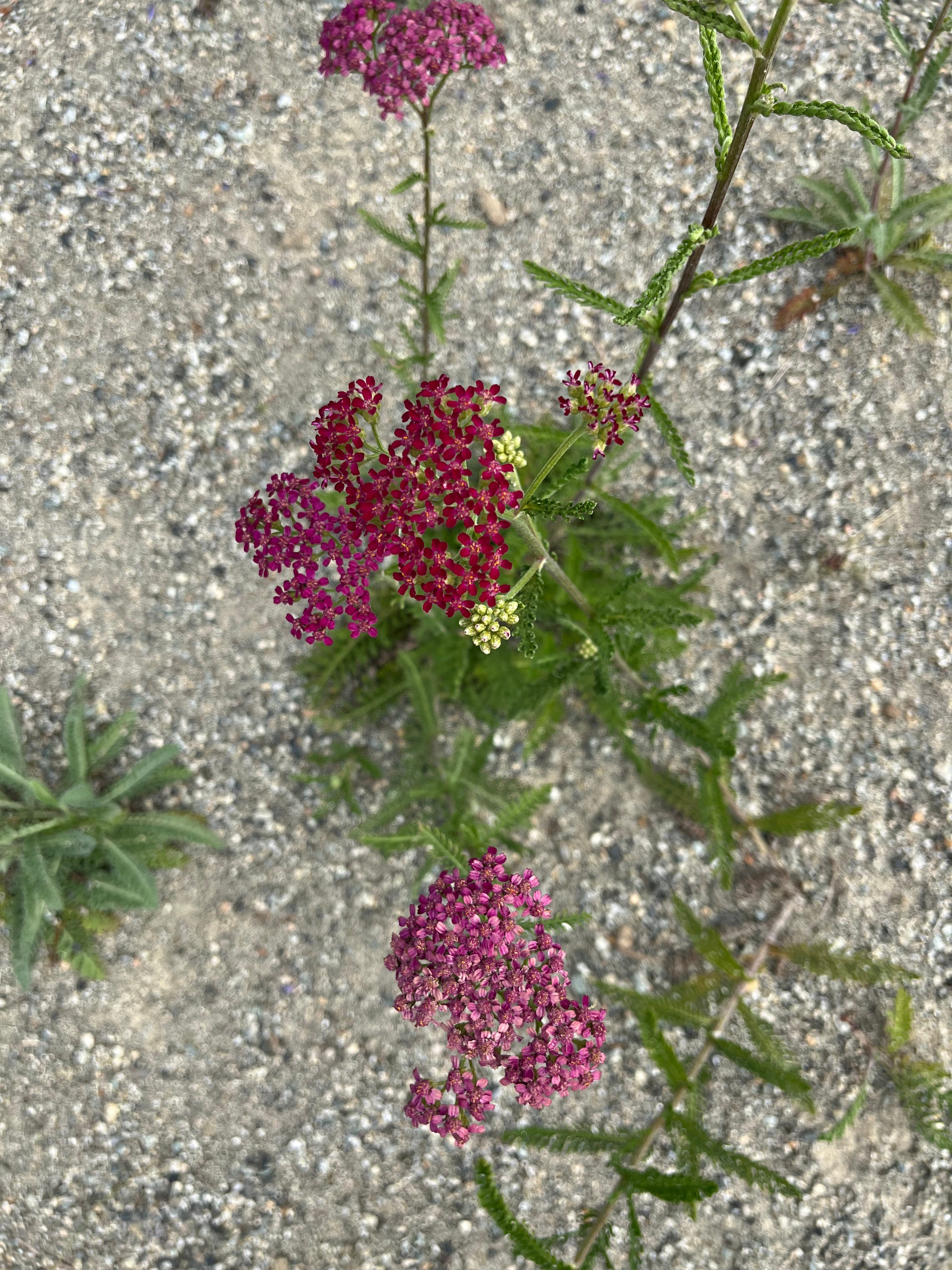
Achillea millefolium (Yarrow)
Anthemis arvensis (Corn Camomile)
Centaurea cyanus (Cornflower aka Bachelor’s Button)
Echium plantagineum (Vipers Bug-loss aka Salvation Jane)
Glebionis segetum (Corn Daisy)
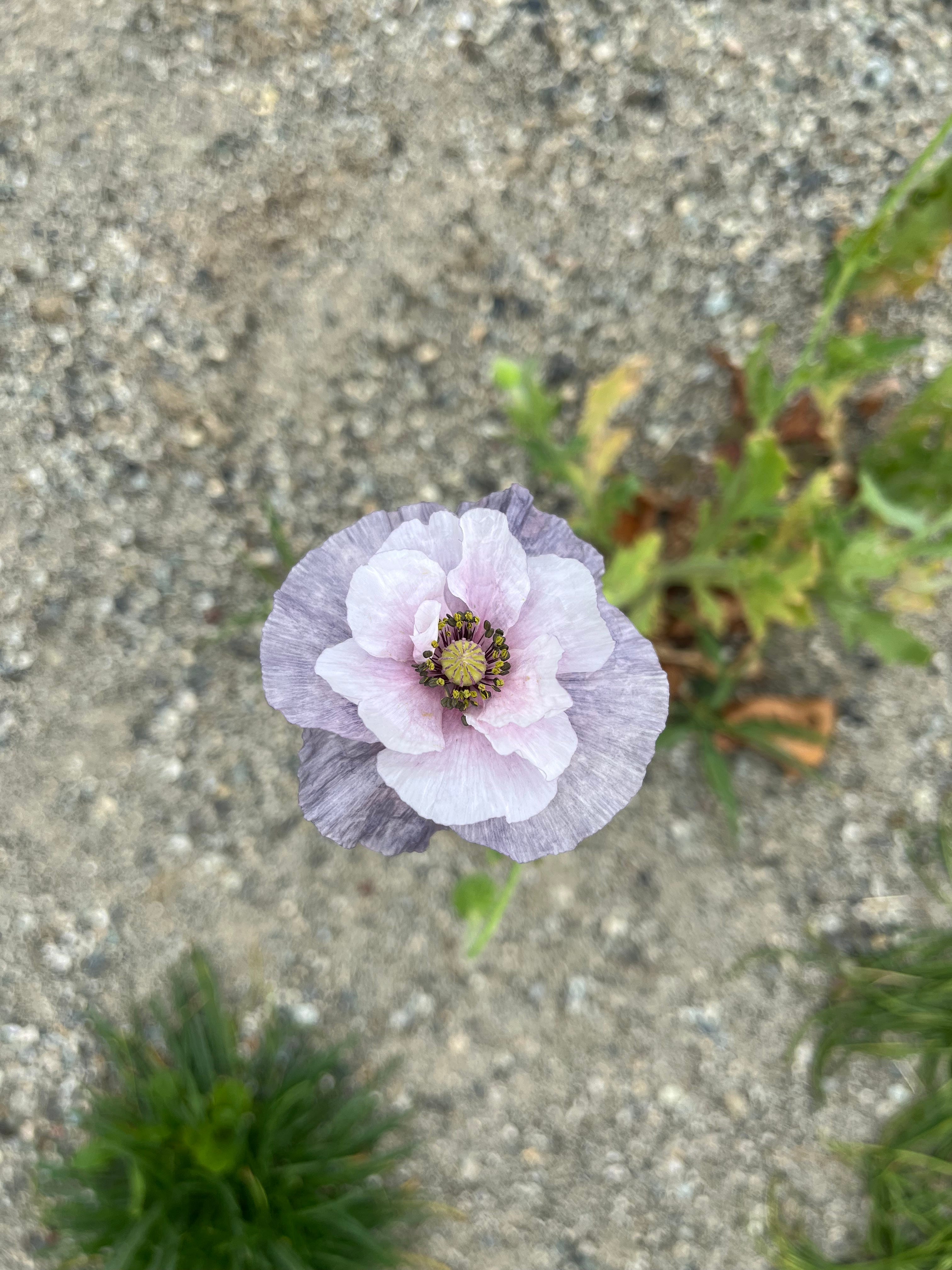
Papaver rhoeas (Poppy aka Corn or Field Poppy aka Flanders Poppy)
Sonchus arvensis (Field Sow Thistle)
Tripleurospermum inordorum (Scentless Chamomile aka False Mayweed)
Comos bipinnatus (Mexican Aster aka Cut leaf Cosmos)
Linaria maroccana (Moroccan Toadflax)
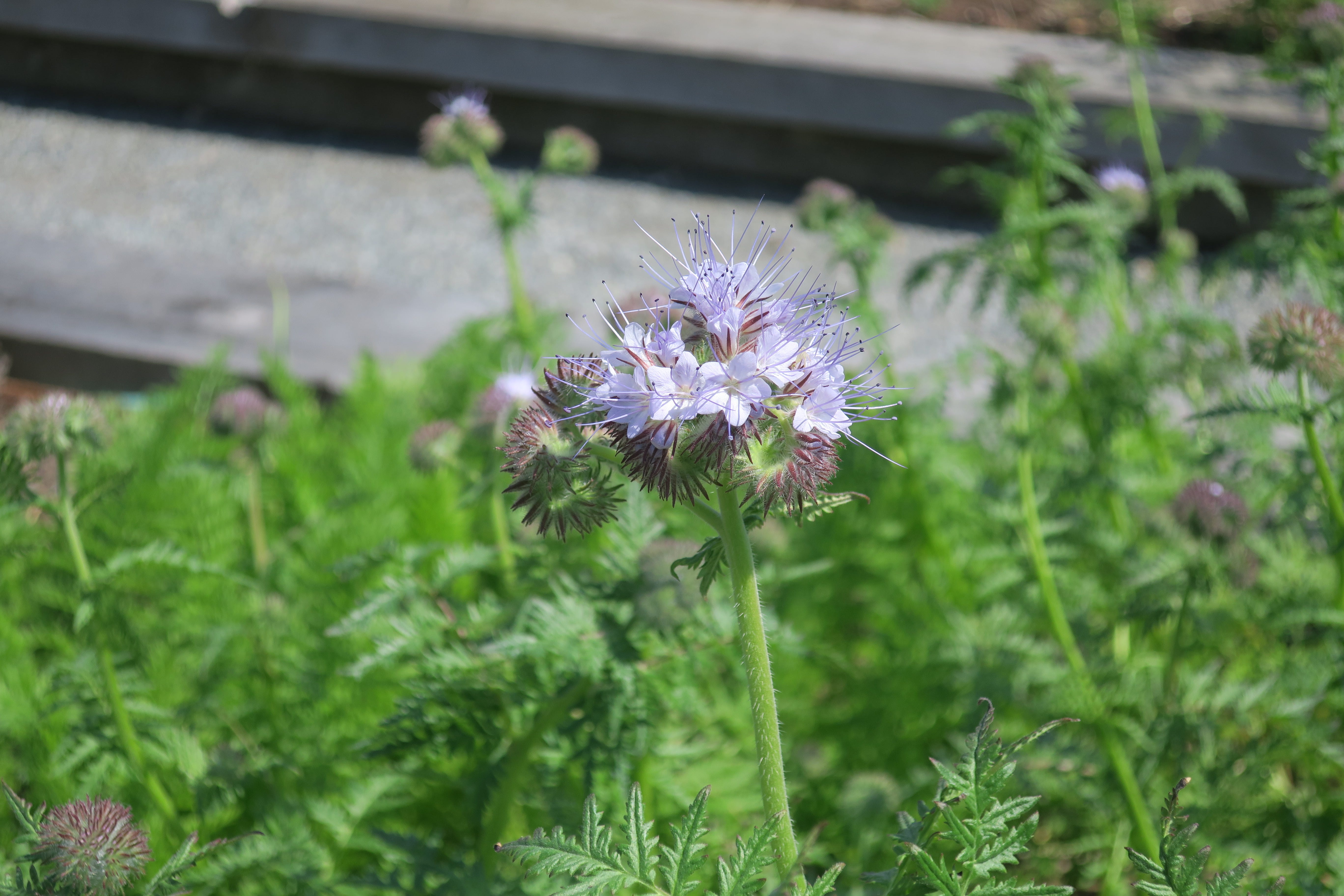
Phacelia tanacetifolia (Fiddleneck aka Blue or Purple Tansy)
All of which are native to the UK, should be readily available from reputable seed companies and are easily direct seeded into open soil. As you’ll note, many of these are also favourites in many other parts of the world, perhaps they’re already growing in your own green space.
Study Conclusions
As for those of us that live outside of the UK, or who prefer to make our own seed mixes, I did find some interesting conclusions noted in the study as well. That give us some things to consider when building our own mixes.
Novel experimental seed mixes work well for bumblebees but are less effective for solitary bees and hoverflies
Many times I’ve heard people refer to ‘generalist’ vs ‘specialist’ species. In other words, there are both insects and plants that will interact with a wide variety of others, ie generalists (think bumble bees and keystone plants). And those that ‘specialize’ by interacting with a limited range of others (think solitary bees, tiny wasps and rarer plant types). So, an effective mix would likely include both plant types. Making sure that we don’t forget about those all important specialists that may only respond to particular flowers. Which ones, can be found by researching your local pollinators (especially any endangered populations) to see what plants they prefer.
Mixes containing non-native, along with native species, have better establishment, provide sufficient floral resources from early July until late October and are considered more aesthetically pleasing to the public
This is where diversity helps. A good mix could include lots of different plant species that will work together to hit all of your goals. Ultimately you want interesting things (for both humans and wildlife) popping up all year long. And don’t forget, that will also thrive under a multitude of changing conditions. Not just what exists in the present, but also the future (as far as we can predict anyway). All of which are best accomplished by a plant community. Made up of a spectrum of different plant survival strategies. Including different kinds of root structures, flowering times and reproductive approaches. Whether or not these are entirely native, or include some non-native or naturalized species is up to you. Just be sure not to include any plants that are considered invasive or harmful in your area.
A small number of key plant species are visited frequently in seed mixes, and these differ between pollinator groups
It’s notable that there are thousands of pollinators in each area, many of which you may not be aware of (as not all are as cute or visible as a bumble bee). For example, where I live on the west coast of Canada there are more than 600 wild bee species of all sizes and shapes. As well as, (non-native but important) honey bees, 185+ butterfly species. 2,100 types of moths (that are mostly active at night), 5 hummingbirds, and thousands of beetles. Plus 63 kinds of hoverflies and 83 ant species that are all possibly involved in pollination.
Although fascinating, it can also feel overwhelming. So, please don’t be too hard on yourself, procuring enough seed types to keep all of these species happy is impossible. Do remember, that every little bit helps; so do what you can (when and how you can). One or two seed packets will make an impact. Plus it’s fun. Once you start, you’ll want to add more and get your friends and family involved as well. Seedbombs are easy to make or purchase and make a brilliant gift.
Pollinating insects need adequate floral resources alongside suitable resources for nesting and larval requirements
Have I said, diversity? That’s right, these pollinators also need plants that provide resources other than food. The good news is that these are mostly shrubs, trees and grasses that you may already have in your local area. But, there’s no harm widening your research net. In fact, many of the sources that catalog what plants a specific butterfly wants to eat, will also tell you what they prefer as larval hosts. So, choose the depth of your research to match the depth of your interest. Believe me, once you start investigating all of the insects around you, you will find some fascinating stuff.
Go Forth & Seed
For those of you in the UK, this particular study has provided a list of flowers that you can start with, knowing that they will be both pretty for you and of use to pollinators. Beyond that, I hope that you’ve been inspired to look deeper into your own local pollinator species and try sowing a few seeds, I know that I have. Why not try it out? who knows maybe you’ll get hooked and take a deeper dive into the world of pollinators and plants and even get involved with some citizen-science of your own.
Do let me know what you’ll be planting next year and whether it’s a ready made mix or your very own. Also, do you look for natives only? natives from adjacent areas? non-natives? or a mix? and why. I’d love to know.
A few Added Resources:
Sara-Jane at Virens Studio & Hedgecraft Willow
Virens is a ecological landscape and planting design studio located on the west coast of Canada. Hedgecraft grows sustainable willow whips and rods in the Fraser Valley of British Columbia.
I really enjoyed reading this, Sara-Jane 🌸
What you describe resonates deeply. Sowing is reconnecting.
Between beauty, purpose and care, it’s a lovely reminder that simplicity is one of nature’s greatest strengths.