
The Trouble With Meadows
We're seeing an uptick in requests for turf alternatives, but what does that mean?

The good news is, that as an industry we’ve succeeded in getting the greater public interested in something other than turf grass (yay us). However, that celebratory feeling is followed by a tiny bit of deflation. Did we just solve some long held problems, but introduce a whole new set?
Every glossy gardening magazine now features aspirational landscapes, filled with evocative, seemingly wild meadows. But, as anyone that’s dabbled in meadow making knows already, this ecosystem doesn’t just appear out of nowhere nor does it exist in a vacuum. Meadows are a complex and unique biome. They require that specific things happen in order to keep them functional. So, that romantic dream quickly turns into a new series of challenges.
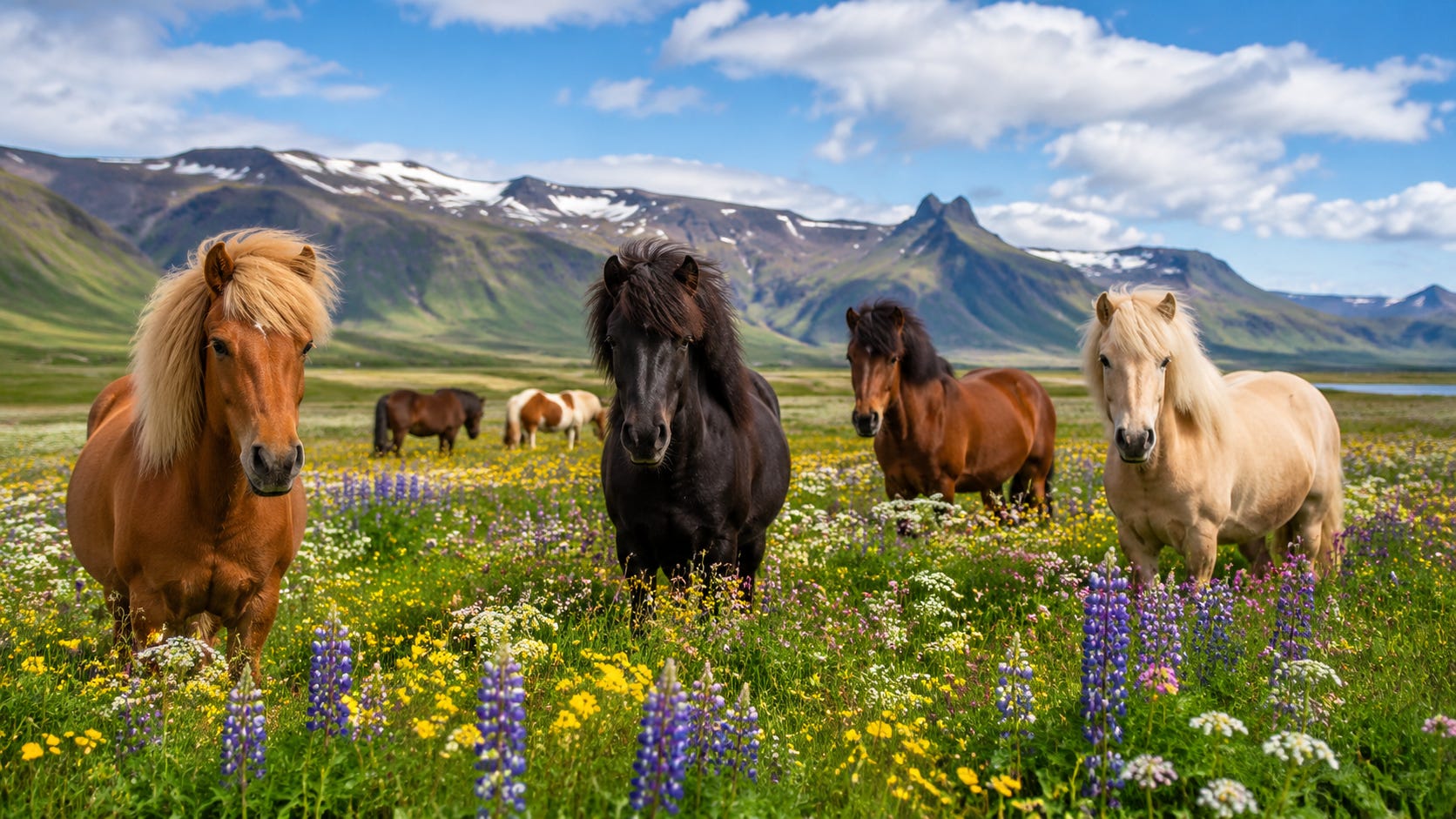
What I’d like to talk about today, is how can we get the look and feel of that romantic naturalistic meadow without having to hire an Icelandic horse to do our landscaping. Especially, when you’re planting and maintaining a large urban development.
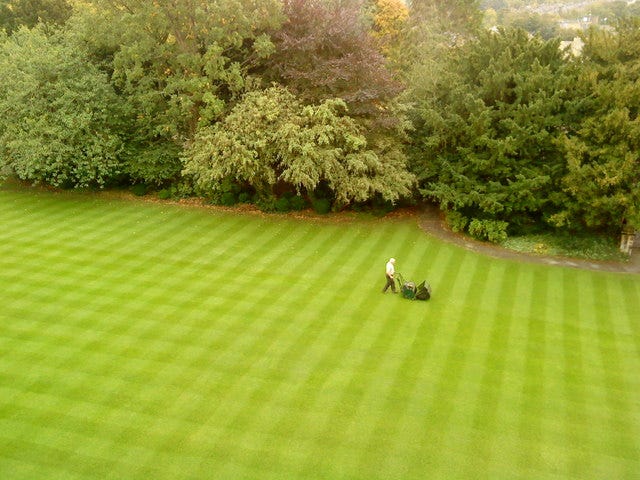
Turf vs Meadows
We all know that conventional turf grass requires regular maintenance to keep it, golf green pretty. It’s installed by prepping the area; removing debris, tilling the soil and raking it out. And/or top dressing with soil, sand or some combination of both. Rolling the surface, sowing seed or laying turf rolls/squares. Watering profusely until roots knit together and form a monocultural mat. Then comes, watering to keep it green, cutting it to keep it tidy. Plus, dethatching, fertilizing, lime application, top dressing, re-seeding and aeration at various times over the years. This is a lot, but I feel like because we’re used to seeing it, it seems reasonable to some folks? or maybe just ‘normal’ in some sense? (see Why Are We So Slow to Change Our Gardening Habits? (Even When We Know There Are Better Ways? for more ideas on this)
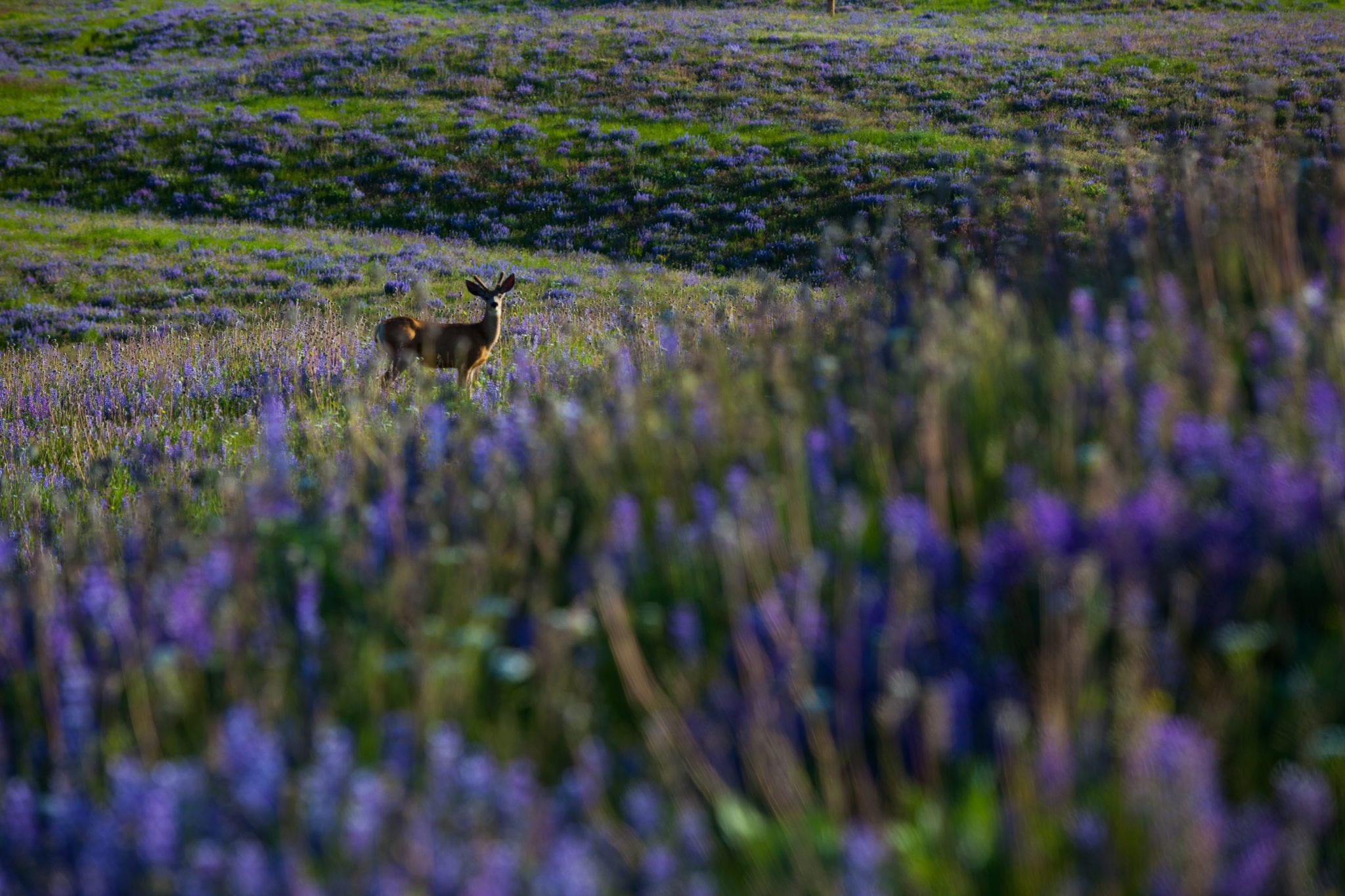
A meadow offers greater diversity of plant material. With loads of benefits and increased eco-value. But, it also requires particular installation where I live. Because It’s a system that occurs naturally only when animals graze the taller grasses, opening the soil surface so that smaller forbs can grow. Digesting the biomass (grass) and depositing it (pooping) to fertilize smaller areas. While their hooves cause small disturbances (kick up the soil, here and there) as they move through the area, helping to distribute some seed and expose other seed banks. So, without those grazers, we have to take their place; mow and remove the biomass several times a year. In addition to site prep, raking, seeding/planting and mulching, we also need to water, weed (removing seedlings), overseed and where appropriate, utilize controlled burning. All timed just right. This is a lot for a homeowner and many conventional landscaper/gardeners to take on, not having grown up with it in a more cultural sense.
But what if BOTH are too difficult? I’m faced with clients that want a ‘meadow’ look, feel and function but with the instant gratification and checklist-type maintenance of turf.
Alternatives
So, my question is…is there a better way to achieve the eco-value and benefits of a meadow while using more conventional practices and commonly found materials?
This is a question that I’ve been exploring and taking a few experimental passes at for the last little bit. Which is also why I’d like to ask for your help. Have a look at some alternatives that I’ve come across and then let me know what you think by voting at the end of the article.
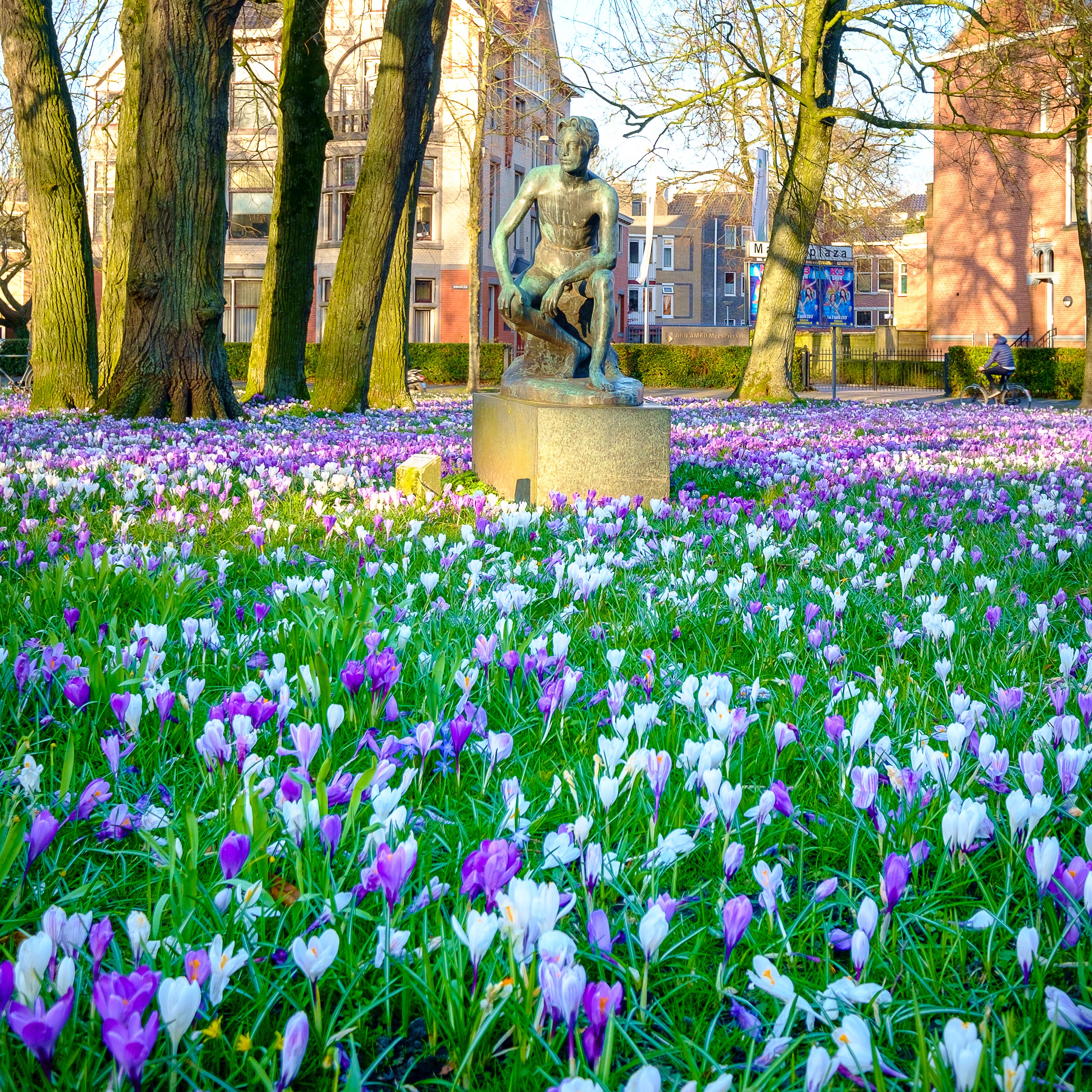
Stinzenplanten
This comes to us from old Frisian estates. Where well-to-do landowners would import loads of bulbs to underplant the grassy rolling lawns around their mansions. Creating, over many years, massive carpets of delicate spring blooms. Great for early-season pollinators and also huge as a seasonal sensory event.
This of course means planting bulbs, in drifts through pockets cut into the lawn. Allowing them to multiply and naturalize in the space over several years. Giving a loose, wild feeling. It also requires that you hold off on mowing until after the blooms have faded. The rest of the year, this system presents regular maintenance tasks much like conventional turf. With watering, mowing and weeding as needed.
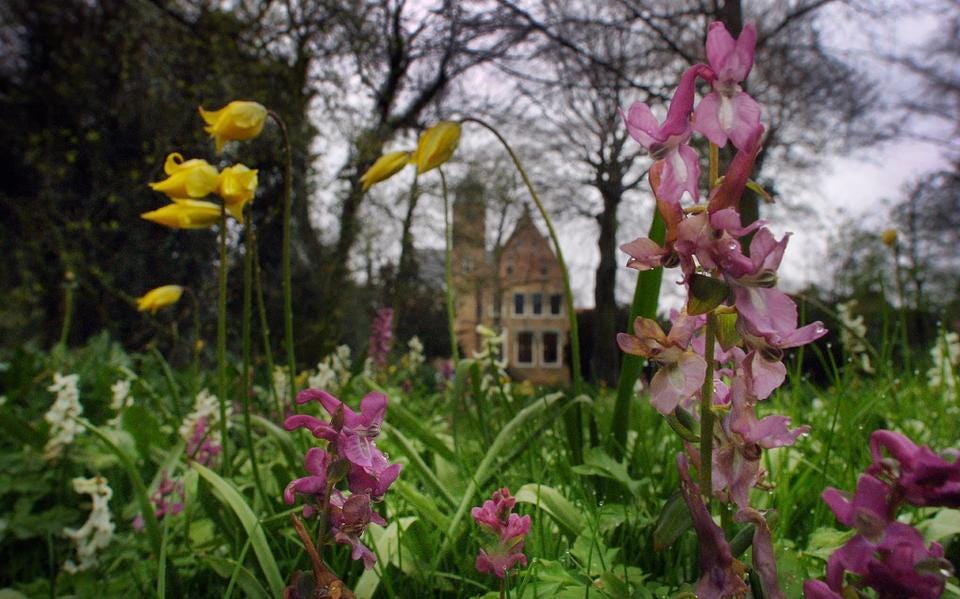
Traditional plantings usually include a wide variety of bulbs like:
Galanthus (snowdrops), Crocus, Scilla, Chinodoxa (Glory-of-the-snow), Fritillaries, Eranthus (Winter aconite), Iris reticulata, small species Tulips and Narcissus (Daffodils), Leucojum and Hyacinthoides non-scripta (English bluebells)
Modernized plantings have diversified and lengthened the bloom by adding:
Alliums, Camassia (Camas), Muscari (Grape hyacinth), Anemone, Ornithogalum (Satr of Bethlehem) and Gladiolus among others
Interplanting with Turf
Here’s where some more exploration may be required. This system starts with conventional turf lawn. If already established, bookflaps or patches are cut into the grass and bulbs and perennial material are inserted. The grass is then left to grow taller around the added plants. But, they must be plants that will be able to withstand the allelopathic (biochemical compounds released to inhibit surrounding vegetation) nature of most turf grass as well as the occasional mowing. Not such an easy task, says anyone that’s tried.
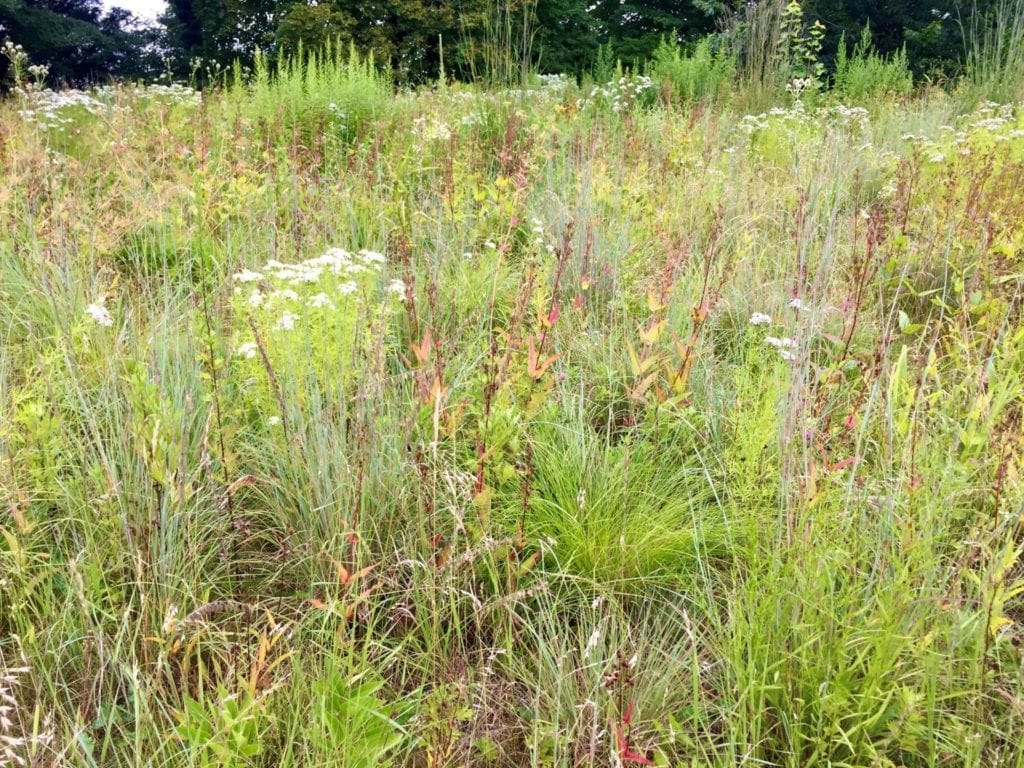
So, perhaps this method could gain more ground by impeding the growth of the grass. Installing on less nutrient rich soils, scarifying or disrupting the grass through mechanical means or otherwise reducing its vigour? Maybe even a combination of several practices, so that the other materials can become established and eventually take over. I’m open to suggestions here.
Wildflower Turf
Where I live this is a new concept, although it’s been around for some time elsewhere, especially in Northern Europe. So here, this would require interfacing and the development of a new product by local enterprises.
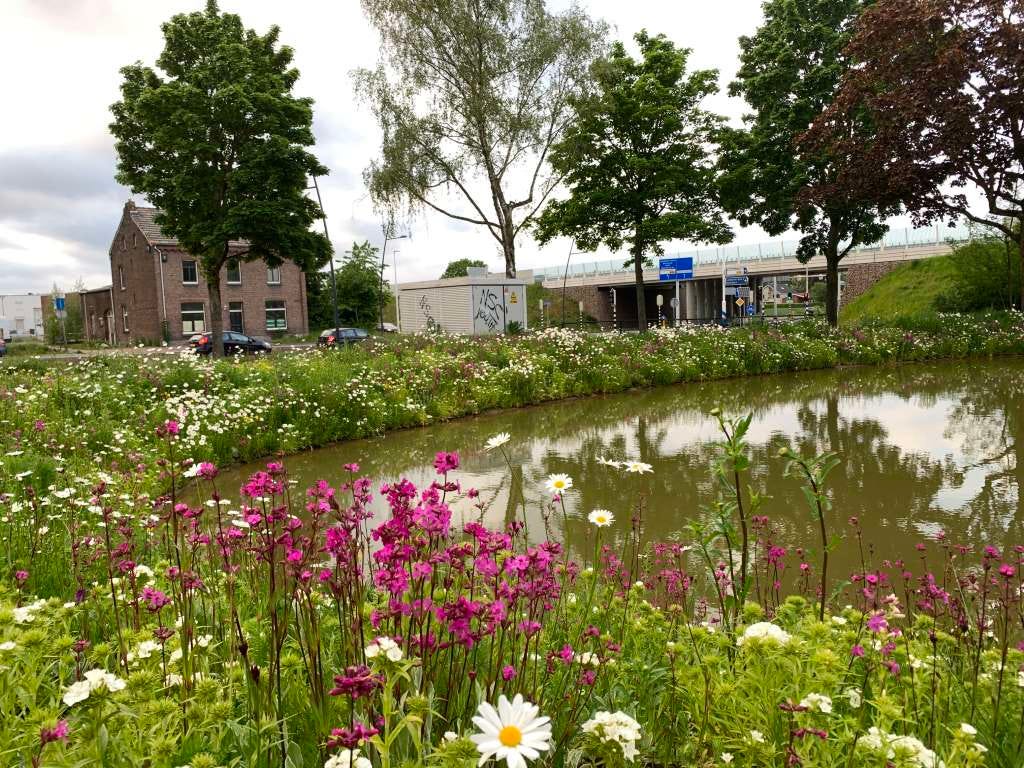
The idea is pretty simple; use conventional turf grass production methods (preferably environmentally sustainable ones) and equipment to produce turf rolls/squares that are made up of prairie or meadow plant communities. Ideally, mostly native and well suited to your area. Installed using similar techniques to conventional turf grass (on leaner soils) and watered until established. Then, weeded and mowed a few times a year. As I haven’t used this before, I can’t speak to the long-term challenges, but I would imagine it may require some watering, overseeding and invasive species management as well. Plus some adjustment as one species out competes others.
Vote for Your Favourite
Here’s where you come in, now that you’ve looked at each lawn/meadow alternative, which would you want to see on the daily? Vote now!
Thanks for taking the time to read this article. I’ve been a bit busy this Spring with planting design and willow stuff, but hopefully you’ll be seeing me back here on the regular again. And, as always, if I’ve missed a trick or you’d like to share your thoughts on this subject, please join in the comments, I’d like to hear about it (really).
-Sara-Jane at Virens Studio & Hedgecraft Willow
Virens is a eco-landscape and planting design studio located on the westcoast of Canada. Hedgecraft provide fine willow rods for structure and craft in the heart of the Fraser Valley.
I'm not doing this on any large scale like you are but in my personal lawn to meadow transformation I'm utilsing mole hills! The bare soil patches are great for just dropping seeds of wild flowers into. Totally low effort. I also love the stinzen bulb idea, thanks. I have already got scilla, muscari, blue bells and snowdrops but could use lots more small alliums, daffodils and crocuses.
Where I live and work (the Northeastern US) it’s pretty easy to mow or string trim cool season turf and forage grasses periodically in spring and just repeat that each season—it stresses them, and allows room for warm season grasses and perennials (mostly native) underneath. There are totally nuances, but I do feel like the basics of the process are pretty easy to explain to both homeowners and landscapers, so it’s the route I tend to go—not perfect, but very doable and a lot better than turf!